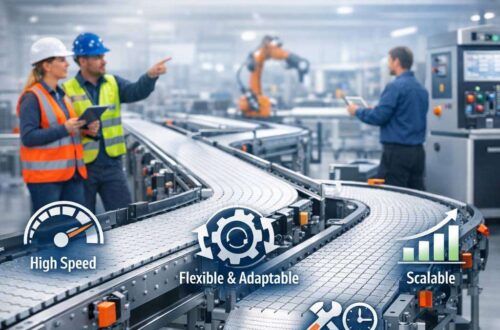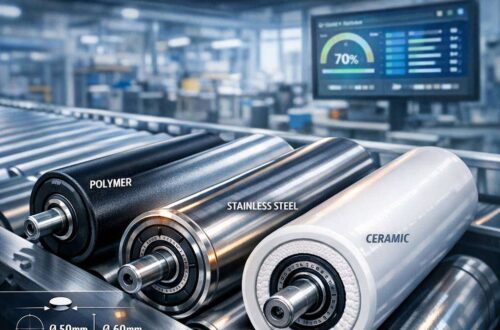
In the realm of material handling and logistics, horizontal belt conveyors are a fundamental component in the efficient movement of goods. These systems play a crucial role in various industries, from manufacturing to distribution, enabling the seamless transfer of products across different stages of processing. This guide will delve into the key features, benefits, and considerations of horizontal belt conveyors to enhance your understanding of this essential technology.
What is a Horizontal Belt Conveyor?
Horizontal belt conveyors are specialised material handling systems designed to transport items across a horizontal plane. They consist of a continuous belt looped around two or more pulleys, which drives the motion of the belt and any load placed on it. The design ensures a stable and consistent motion, making them suitable for a wide range of applications, including packaging, assembly lines, and airport baggage handling.
Horizontal Belt Conveyor FAQ
What is a horizontal belt conveyor?
A horizontal belt conveyor is a type of material handling equipment that moves goods along a flat, horizontal surface using a continuous loop of material (the belt). This design allows for optimal transport of products across various industries, such as manufacturing, packaging, and distribution.
What are the key components of a horizontal belt conveyor?
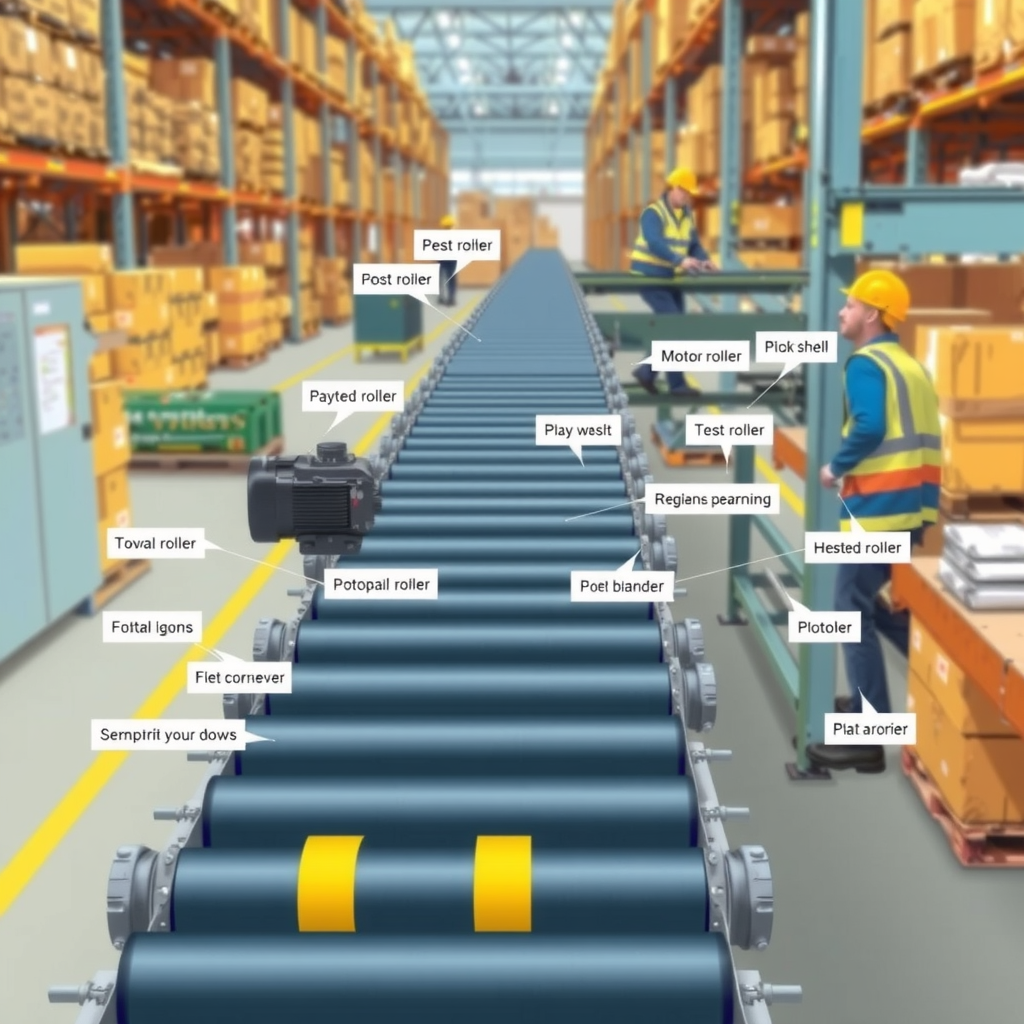
The main components of a horizontal belt conveyor include the following:
- Belt: The continuous loop made from materials like rubber or fabric.
- Frame: The structure that supports the entire conveyor system.
- Drive pulley: The component that powers the movement of the belt.
- Idler pulley: Pulleys located at various points to support and guide the belt.
- Motor: Provides power to drive the pulley.
What materials can be transported using a horizontal belt conveyor?
Horizontal belt conveyors can transport various materials, including boxes, crates, bags, pallets, and bulk items. They are widely used in industries such as food processing, logistics, warehousing, and manufacturing to facilitate efficient product movement.
How do I choose the right size for my horizontal belt conveyor?
Choosing the right size for your horizontal belt conveyor involves considering factors such as:
- Load capacity: Determine how much weight you need it to carry.
- Length required: Measure your workspace to find out how long your conveyor should be.
- Width required: Assess what dimensions are necessary based on your products’ sizes.
Consulting with manufacturers or experts in material handling can help you select an appropriate size based on these criteria.
Can I customise my horizontal belt conveyor?
Yes! Many manufacturers offer customisation options for horizontal belt conveyors. Modifications can include changes in length and width; selection of specific materials based on environmental conditions; inclusion of specialised features like side guards or adjustable speeds; and integration with other systems like sorting machines or automated controls.
What maintenance does a horizontal belt conveyor require?
Regular maintenance is essential for ensuring optimal performance and longevity. Key maintenance tasks include:
- Routine inspection for wear and tear
- Lubrication of moving parts
- Tension adjustments on belts
- Cleaning debris from pulleys and beltsFollowing manufacturer guidelines will help maintain efficiency over time.
How do I install a horizontal belt conveyor?
Installation typically involves these steps:
- Prepare an even surface where you want to place it.
- Assemble parts according to manufacturer instructions (usually follows factory specifications).
- Connect any electrical components if applicable.
- Test-run the system without load before utilising it fully.
It may be beneficial to employ professionals experienced in installing industrial machinery if you’re unsure about any part of this process.
Are there safety considerations when using a horizontalbeltconveyor?
Absolutely! Safety is paramount when operating conveyors:
- Make sure all guards are in place during operation.
- Train personnel on proper usage techniques while monitoring their surroundings frequently.
- Establish emergency stop procedures readily accessible nearby so users can quickly shut off power if needed without accidentizing themselves or others nearby.
By adhering strictly toward these recommendations regarding precaution setting operators will significantly reduce injury risks!
Types of Horizontal Belt Conveyors
When exploring the types of horizontal belt conveyors available, it’s essential to recognise the various configurations and materials that can be employed to meet specific operational needs.
Modular Belt Conveyor Systems
Modular belt conveyor systems are comprised of individual segments that can be easily assembled and disassembled. This flexibility is advantageous for companies looking to adapt their systems based on evolving requirements. The components are typically made from durable plastic or metal, enabling an array of configurations. Their ease of maintenance and repair makes them a popular choice among businesses seeking cost-effective solutions.
Roller Belt Conveyors
Roller belt conveyors utilise a series of rollers mounted on a frame to facilitate the movement of goods. The belt moves over the rollers, reducing friction and allowing for smoother and more efficient transport. These systems are particularly well-suited for heavy items and are commonly found in warehouses and production lines where durability is paramount.
Chain Driven Belt Conveyors
Chain driven belt conveyors incorporate a chain mechanism that powers the movement of the belt. This system is highly effective in transporting heavy loads over long distances. Additionally, the design allows for increased torque and traction, making it reliable for demanding industrial settings. The use of chain drives also makes these systems less susceptible to slippage compared to traditional belt options.
Horizontal belt conveyors are essential for efficient material handling in various industries. These systems provide smooth and reliable transport, optimizing workflow. For high-quality options and expert guidance, visit https://conveyorrollers.co.uk. Enhance your operations with a durable horizontal belt conveyor tailored to your specific needs.
Advantages of Horizontal Belt Conveyors
The implementation of horizontal belt conveyors comes with numerous advantages that enhance productivity and operational efficiency.
Space Efficiency
One of the most significant benefits of horizontal belt conveyors is their space-saving design. Many manufacturers offer compact models that can be easily integrated into existing layouts. This allows companies to maximise their floor space without compromising on productivity.
Enhanced Safety
Using horizontal belt conveyors minimises the need for manual handling of materials, reducing the risk of workplace injuries. These systems are designed with safety features, such as emergency stop buttons and guards, ensuring that operators can work without the hazards associated with manual lifting and transporting.
Increased Throughput
Horizontal belt conveyors can significantly increase throughput rates. They provide a continuous movement solution that enables the seamless transfer of products between processes. Many belt conveyor manufacturers offer custom designs that can be tailored to specific throughput requirements, ensuring the system meets operational goals efficiently.
A horizontal belt conveyor efficiently transports materials across a flat surface, maximizing productivity in various industries. For more details on these essential systems, visit conveyorrollers.co.uk to explore available options and features.
Key Considerations When Choosing a Horizontal Belt Conveyor
When deciding on the best horizontal belt conveyor for your needs, several factors warrant careful consideration.
Load Capacity
Understanding the load capacity of the conveyor is critical. The system must be able to support the weight of the materials being transported without compromising performance. Manufacturers can often provide guidelines on load limitations based on the type of belt and supporting structure.
Material Compatibility
The materials being transported must also be compatible with the conveyor’s design. Certain substances may require specific belt materials, such as food-grade plastics for food handling applications, or chemical-resistant materials for industrial settings. Careful consideration of this factor will determine the longevity and reliability of the system.
System Configuration
The layout of your workspace will influence the conveyor configuration chosen. Horizontal systems are available in various lengths and widths, allowing for the adaptation to your specific environment. Consulting with a belt conveyor company can provide insights into the optimal configuration tailored to your operational needs.
Finding the Right Belt Conveyors for Sale
When searching for belt conveyors for sale, it’s essential to choose a reputable provider. Conducting research on local belt conveyor manufacturers can yield beneficial information about quality and service. Considerations such as warranty options, after-sales support, and customisation capabilities are critical when making a purchasing decision.
Belt Conveyor Manufacturers Near Me
Locating belt conveyor manufacturers near you can simplify the process of acquiring and maintaining your equipment. This can often lead to faster service calls and more personalised support. Local manufacturers might also offer a broader range of options tailored specifically to regional industries, making it easier to find the perfect fit for your needs.
Horizontal belt conveyors are essential for efficient material handling in various industries. For detailed insights and applications, visit https://learn.mines.edu/conveyor/. They streamline processes and enhance productivity significantly.
Conclusion
Understanding horizontal belt conveyors and their myriad applications is indispensable for any business looking to enhance its material handling processes. With a variety of options available, from modular belt conveyor systems to heavy-duty chain driven models, the right choice can lead to increased safety, efficiency, and productivity in your operations. By considering key factors such as load capacity and material compatibility, you can ensure your investment supports your business objectives effectively.