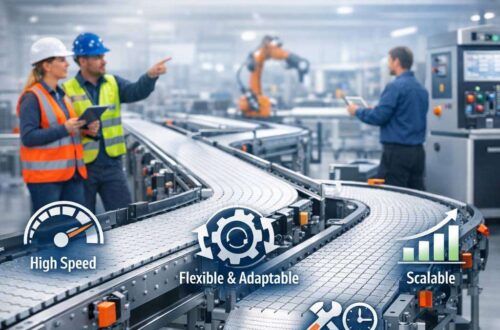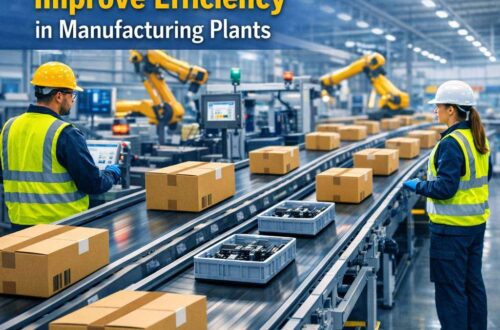
In the world of logistics and manufacturing, conveyor systems play a pivotal role in streamlining processes and enhancing operational efficiency. As industries evolve, so too does the technology that supports them. Recent advancements in conveyor technology not only improve productivity but also ensure safety and reliability, enabling companies to stay competitive in a fast-paced environment.
In this blog post, we will explore five significant innovations in conveyor technology that are transforming the industry landscape. Whether you’re involved in warehousing, manufacturing, or distribution, understanding these developments is crucial for optimising your operations and decision-making processes.
Smart Conveyor Systems
The advent of the Internet of Things (IoT) has led to the rise of smart conveyor systems that leverage data and connectivity for improved performance. These systems incorporate sensors and software that monitor various operational parameters, such as speed, load, and temperature, providing real-time insights into system performance.
Smart conveyor systems are equipped with predictive maintenance capabilities, which allow operators to anticipate and address potential issues before they escalate. By using data analytics, companies can optimise their conveyor performance, reducing downtime and enhancing throughput. Moreover, these systems can easily integrate with warehouse management systems (WMS) and enterprise resource planning (ERP) systems, offering a seamless operational experience.
Modular Conveyor Design
Flexibility is a key demand in modern manufacturing and logistics environments. Modular conveyor design has emerged as a transformative solution to meet this need. These systems consist of interchangeable components that can be easily reconfigured to suit changing operational requirements.
The benefits of modular conveyor systems are manifold. They allow companies to expand or contract their conveyor systems as needed, accommodating seasonal peaks or shifts in product lines. Additionally, modular systems facilitate easier installation and maintenance, as individual components can be replaced without the need to overhaul the entire system. This adaptability not only improves efficiency but also lowers long-term costs associated with conveyor systems.
Advanced Material Handling
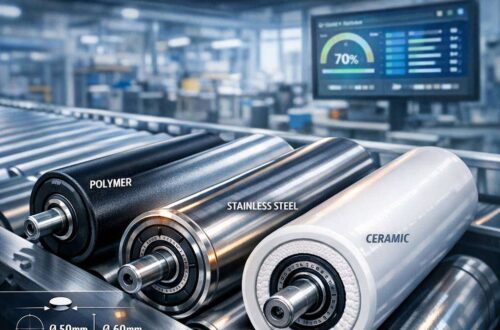
Material handling has always been a critical aspect of conveyor technology. Recent innovations focus on using advanced materials that enhance the performance and durability of conveyor belts. High-tech polymers, composite fabrics, and smart materials have been developed to tackle specific challenges such as abrasion, heat resistance, and chemical exposure.
For instance, new belt designs with enhanced anti-static properties are crucial in industries where static build-up can damage sensitive electronic components. Furthermore, lightweight yet robust materials can significantly reduce energy consumption, making conveyor systems more sustainable. These advancements ensure that conveyors can effectively handle a broader range of products and conditions, driving operational excellence.
Robotics Integration
As automation continues to shape the future of manufacturing and logistics, the integration of robotics with conveyor systems presents exciting opportunities. Robotic arms and automated guided vehicles (AGVs) can be seamlessly integrated into conveyor systems to facilitate greater efficiency and accuracy in material handling.
This symbiotic relationship between conveyors and robotics allows for the development of fully automated pick-and-pack operations, where items are retrieved from conveyor systems and packaged without human intervention. Additionally, robotics can be employed for inspecting, sorting, and transporting items within conveyor systems, further enhancing throughput rates. The combination of these technologies signifies a shift towards a more automated, efficient production line.
Energy-Efficient Conveyor Systems
In an era where sustainability is paramount, energy-efficient conveyor systems are making significant strides in reducing operational costs and environmental impact. Recent innovations focus on optimising energy use through advanced motor systems, variable frequency drives (VFDs), and regenerative braking systems.
Conveyors equipped with VFDs allow for precise control of the motor speed, adjusting to load variations and operational demands. This not only reduces energy consumption but also extends the life of the conveyor system. Similarly, regenerative braking systems capture energy during the deceleration of conveyors and feed it back into the power supply, resulting in notable energy savings. Such eco-friendly designs contribute to corporate sustainability goals while delivering operational benefits.
Conclusion
The landscape of conveyor technology continues to evolve with remarkable innovations that address key operational challenges in various industries. Embracing these advancements is essential for businesses looking to improve efficiency, reduce costs, and remain competitive in an increasingly complex market. As we move forward, keeping abreast of these trends will be critical for harnessing the full potential of conveyor systems and driving business success.
Conveyors play a vital role in modern logistics and manufacturing, streamlining the movement of goods and materials. For businesses looking to optimize their operations, investing in quality conveyor systems is key. Discover various conveyor solutions at https://conveyorrollers.co.uk, where you can find innovative designs that enhance efficiency and productivity in your workflow. Upgrade your processes today!