Selecting the appropriate plant machinery for a construction project can be a pivotal decision that affects both operational efficiency and cost-effectiveness. With a vast array of heavy plant machinery available, it is essential to thoughtfully consider your requirements before proceeding with a purchase or rental. This guide will provide insights into the factors to consider when choosing the right plant and equipment for your needs.
Understanding Your Project Requirements
Before delving into the specific types and options available in used plant sales, it is crucial to evaluate the specific requirements of your project. This assessment should cover aspects such as project size, duration, and the nature of the tasks at hand.
Project Size and Duration
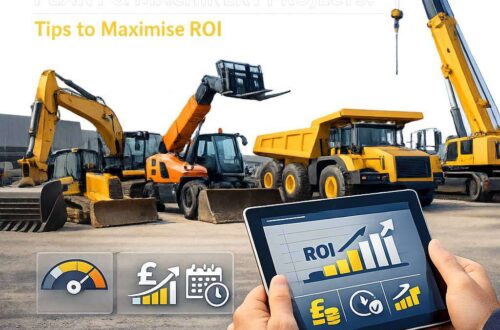
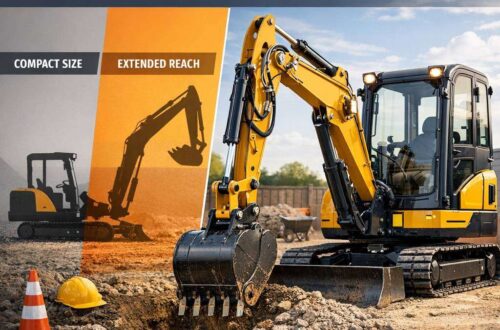
Project Size: Consider the scale of your operation. For instance, larger construction sites may require heavy plant machinery like excavators, bulldozers, or cranes that can handle substantial weights and large volumes of earth. Conversely, smaller projects might only necessitate compact machinery like mini diggers.
Duration: The length of your project influences whether it is more cost-effective to rent or purchase used plant machinery. If the project is short-term, renting machinery can help avoid depreciation costs associated with ownership. On the other hand, purchasing second-hand plant machinery could be beneficial for longer undertakings or for companies that frequently require specific equipment.
FAQ – Plant Machinery
What is plant machinery?
Plant machinery refers to heavy equipment and vehicles used in construction, mining, and other large-scale operations. This includes excavators, bulldozers, cranes, loaders, and more.
Why should I rent plant machinery instead of buying it?
Renting plant machinery can be cost-effective for short-term projects. It allows you to access the latest models without the upfront costs associated with purchasing. Additionally, rental agreements often include maintenance and support services.
How do I choose the right plant machinery for my project?
Choosing the right plant machinery depends on several factors including project size, terrain type, weight capacity required, and specific tasks (e.g., digging vs. lifting). Consulting with an expert or equipment provider can help match you with the best option.
Are there any safety considerations when using plant machinery?
Yes! Safety is paramount when operating any type of heavy equipment. Operators should be trained and certified where applicable. Always wear appropriate protective gear and follow all operational guidelines provided by manufacturers.
Can I operate rented plant machinery myself?
Yes, but you need to have the necessary training and certification to operate specific types of equipment legally and safely. Some rental companies may offer operator services if needed.
How do I maintain rented plant machinery during my rental period?
Most rental companies provide comprehensive maintenance guidelines as part of the agreement. Basic upkeep includes daily checks on oil levels, hydraulic fluids, tires/track conditions as well as cleaning after use.
What happens if I damage rented plant machinery during my rental period?
Most rental agreements include a damage waiver option that limits your financial liability in case of accidental damage. However, it’s essential to read your contract carefully as terms may vary between providers.
Do you offer delivery services for rented plant machinery?
Yes! We provide delivery services for all our rented equipment directly to your job site while ensuring timely arrival so you can commence work without delay.
What types of payment do you accept for renting or purchasing plant machinery?
We accept various forms of payment including credit cards, bank transfers—please check with us directly for details tailored to your particular transaction needs.
If you have any further questions about our range of products or services related to plant machinery, feel free to contact us!
Nature of the Tasks
The nature of the construction tasks you aim to accomplish will also dictate the type of plant machinery required. For example, if your project involves extensive earthmoving, you may need to invest in excavators and dump trucks. Alternatively, for tasks involving lifting or hoisting, forklifts or telehandlers may be more suitable. Assessing the specific machinery needed for tasks such as grading, mixing, or transporting materials is essential in making an informed choice.
Types of Plant Machinery to Consider
When sifting through the available options for used plant for sale, it is vital to understand the different types of plant machinery and their associated capabilities.
Earthmoving Equipment
The cornerstone of many construction projects, earthmoving equipment includes:
- Excavators: Versatile machines used for digging, lifting, and hauling materials.
- Bulldozers: Powerful vehicles equipped with blades for pushing large quantities of earth.
- Dump Trucks: Essential for transporting heavy loads of materials around the construction site.
These types of heavy plant machinery are instrumental in site preparation and foundational work. When purchasing used plant machinery from reputable dealers, ensure the equipment’s operational history and maintenance records are available to evaluate the reliability of the machinery.
Lifting Equipment
For projects requiring heavy lifting capabilities, you will need to consider:
- Cranes: Ideal for lifting heavy loads vertically and horizontally. Available in several types, including tower cranes and mobile cranes.
- Telehandlers: Versatile machines that function as both a forklift and crane, suited for lifting materials to elevated positions.
- Forklifts: Efficient for moving pallets and materials across the site.
Acquiring used plant equipment in this category can lead to significant cost savings while ensuring you have the tools necessary for the job.
Assessing Used Plant Machinery for Sale
Investing in second hand plant machinery can be an excellent economic decision if approached carefully. Here are key considerations for assessing used plant machinery:
Condition and Maintenance
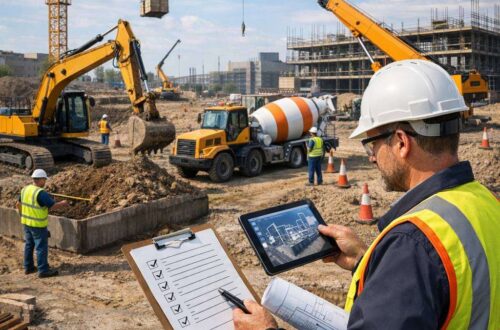
Examine the condition of the machinery thoroughly. Inspect for signs of wear and tear, and request service history records to understand how well the plant machinery has been maintained. A well-documented maintenance history can indicate that it has been properly cared for, which is crucial for reliability on the job site.
Investing in efficient and reliable plant machinery is crucial for any construction project. From excavators to forklifts, we offer a wide range of equipment tailored to your needs. Explore our offerings at https://www.sjhallplant.com today!
Availability of Spare Parts
When looking at used plant for sale, it is important to consider the availability of spare parts and servicing for the specific make and model. Machinery from well-known brands typically has an established supply of parts, facilitating easier repairs and maintenance.
Warranty and Support
When purchasing used plant machinery, inquire about any warranties or guarantees offered by the seller. A reputable dealer may provide a limited warranty, giving you peace of mind regarding the machinery’s reliability. Additionally, consider the support services available should any issues arise, as having access to expert advice and assistance can be invaluable during a project.
Selecting the right plant machinery for your construction project involves careful consideration of various factors, from project requirements to the specific types of equipment needed. By understanding your needs and assessing the available options in used plant sales, you can make a well-informed decision that optimises both efficiency and budget in your construction endeavour.