The world of architecture is as much about light, texture, and perception as it is about structure. At the heart of this balance lies architectural glazing, a discipline that transforms façades into living, responsive surfaces. An architectural glazing company operates at the intersection of design ambition and technical possibility, translating creative visions into products and systems that enhance both aesthetics and performance. Below, we explore how glazing specialists elevate building aesthetics while driving energy efficiency, durability, and user experience.
Architectural Glazing
Architectural glazing is not simply about installing glass in openings. It is a carefully engineered discipline that considers daylighting, thermal performance, acoustic control, weather resistance, security, and view quality. From large-scale curtain walls to discreet infill panels and skylights, the glazing strategy influences how a building is perceived from the outside and how comfortable it is inside.
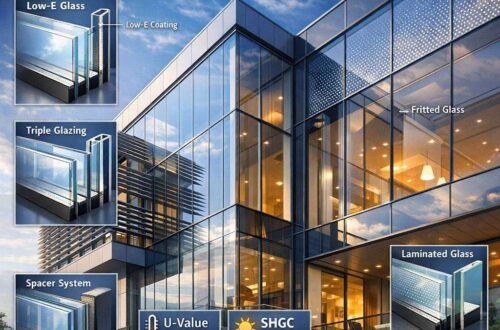
Modern architectural glazing embraces a spectrum of solutions. Low-emissivity coatings reduce heat transfer, while selective tints balance glare and colour rendering. Insulated glazing units (IGUs) improve thermal efficiency, and laminated or tempered glass enhances safety and durability. For designers, glazing is a versatile material capable of creating transparency, depth, and a sense of openness without compromising performance.
An experienced glazing team collaborates from early concept through fabrication and installation. They assess site conditions, wind loads, building orientation, and acoustic requirements, translating these factors into glazing packages that meet both aesthetic intent and regulatory demands. The result is façades that are not only beautiful but resilient and easy to maintain.
Architectural Glazing Company
An architectural glazing company brings together design insight, technical know-how, and practical execution. The collaboration typically begins with a detailed brief: architectural language, performance criteria, budget, and timelines. From there, professionals will propose bespoke or standard glazing products and systems, accompanied by performance data, drawing sets, and 3D simulations that help stakeholders visualise outcomes.
Key strengths of a reputable architectural glazing company include:
- Customisation capability: Tailored solutions that respond to unique building geometries, corner conditions, or heritage considerations.
- System integration: Coordination with cladding, grounding, ventilation, and facade management systems to ensure watertight assemblies and serviceability.
- Quality assurance: Advanced fabrication controls, rigorous testing, and meticulous installation practices that safeguard long-term performance.
- Sustainability focus: Selection of low-impact materials, recycled content, and strategies to optimise daylighting and thermal efficiency.
By engaging a glazing company early in the project lifecycle, clients gain a coherent performance envelope and a cohesive aesthetic that media, clients, and occupants will notice and appreciate.
An architectural glazing company blends design and performance to create light-filled spaces. Our experts source advanced glazing systems, optimize energy efficiency, and ensure durable, beautiful facades. For project insights and collaborations, explore solutions at https://www.urbansquare.net/, and discover how precise detailing elevates every building’s clarity and value.
FAQ: Architectural Glazing Company
What is an architectural glazing company?
An architectural glazing company specialises in designing, manufacturing, and installing glass systems for buildings. This includes curtain walls, storefronts, skylights, glass façades, interior glass partitions, and advanced glazing solutions that meet aesthetic, structural, and energy-performance goals.
What services do architectural glazing companies offer?
- Custom glass solutions (storefronts, curtain walls, skylights, balustrades)
- Glass fabrication and tempering, laminating, and insulating glass units (IGUs)
- Structural glazing and silicone engineering
- Facade engineering and performance calculations (U-value, SHGC, NFRC ratings)
- Architectural hardware, seals, and system accessories
- Project management, installation, and on-site surveying
- Inspection, warranty, and post-install support
- Retrofit and replacement of existing glazing systems
How do I choose the right architectural glazing company?
- Assess experience with your building type (commercial, hospitality, high-rise, institutional)
- Review portfolios of similar projects and case studies
- Check certifications (e.g., ISO, IGMA, NFRC ratings, LEED or Green Globes experience)
- Evaluate engineering capabilities, including wind load and structural analysis
- Consider manufacturing capacity, lead times, and logistics
- Read client references and post-installation support policies
What should I consider when selecting glazing systems?
- Thermal performance (U-value, condensation resistance)
- Solar control (SHGC, tinting, low-emissivity coatings)
- Acoustic performance (STC/Rw)
- Aesthetic requirements (glass type, edge finishes, frits, color)
- Durability and safety (safety glass, laminated variants)
- Ventilation options (operable windows, light shelves)
- Maintenance needs and warranty terms
How long does a glazing project typically take?
Timeline varies by project size and complexity. A typical sequence includes design and engineering, fabrication, delivery, site survey, and installation. Large facades can take several months from concept to completion, while smaller installations may be completed in weeks. A reputable company will provide a detailed schedule and milestones.
What is the process from initial inquiry to installation?
- Initial consultation and requirements gathering
- Feasibility and budgeting
- Concept design and glazing system selection
- Detailed engineering, shop drawings, and model reviews
- Fabrication and quality control
- On-site surveying and system testing
- Installation and glazing commissioning
- Final inspection, adjustments, and warranty documentation
What types of glazing systems can you provide?
- Curtain walls and stick-built curtain walls
- Hybrid systems and unitised curtain walls
- Storefront systems and entrances
- Curtain wall mullions and spider fittings
- Insulated glass units (IGUs) and laminated glass
- Solar control glass, low-E coatings, and tints
- Vision glass, fritted glass, and decorative glass
- Skylights, sloped glazing, and roof glazing
- Balustrades, interior partitions, and fire-rated glass
Do you offer custom or parametric glass designs?
Yes. Many architectural glazing projects require custom geometry, glass shapes, or performance-driven designs. Advanced software, CNC fabrication, and collaboration with the project team enable precise production and fitting of complex façades.
What about energy efficiency and sustainability?
Architectural glazing can significantly impact a building’s energy use. Look for systems with:
- Low U-values and appropriate SHGC for climate
- Triple or double-glazing options with inert gas fills
- Low-emissivity coatings and spectrally selective tints
- Recycled content and end-of-life recyclability
- Certifications such as LEED credits or WELL building standards
How is glazing installed on high-rise or complex façades?
Installation involves a coordinated effort among engineering teams, scaffolding or access systems, crane coordination, and precise alignment checks. Unitised systems can speed up on-site installation, while stick-built systems may require more on-site assembly. Safety and QA protocols are essential.
What warranties do glazing systems come with?
Warranties typically cover manufacturing defects, performance (thermal and weather sealing), and installation workmanship for a defined period. Some components (like seals or coatings) may have separate warranty terms. Always review the warranty scope, exclusions, and the process for claims.
How do you handle maintenance and lifecycle support?
Many glazing companies offer ongoing maintenance packages, including seal replacement, cleaning, and performance troubleshooting. Some provide remote monitoring for façade systems and periodic inspections to ensure continued performance over time.
Can you provide references or case studies?
Reputable glazing companies can share case studies and client references illustrating similar project scopes, performance outcomes, budgets, and timelines. Don’t hesitate to request proofs of performance and contactable references.
What should I prepare for a glazing supplier meeting?
- Project brief: type of building, location, design intent
- Architectural drawings and façade elevations
- Climate and performance goals (U-value, SHGC, acoustic targets)
- Budget constraints and schedule milestones
- Preferences for glass types, coatings, and hardware
- Existing site conditions and any retrofit requirements
How do glazing companies handle code compliance and approvals?
They typically provide performance data, wind-load calculations, glazing certificates, and coordination with the project’s compliance team. They may also assist with third-party testing and documentation required for local building codes and standards.
If you’d like, I can tailor these FAQs to fit a specific architectural glazing company’s services, capabilities, or target audience.
Architectural Glazing Products
The term architectural glazing products encompasses a broad range of components designed to deliver specific outcomes. Here are some of the most influential product types that an architectural glazing company might specify and supply:
- Curtain wall systems: Framed, modular façades that create dramatic, uninterrupted glazing across elevations. Modern curtain walls prioritise wind resistance, water management, and air leakage control while offering expansive views and daylight penetration.
- Insulated glazing units (IGUs): Multi-pane assemblies with gas fills and low-emissivity coatings that dramatically improve thermal performance, reduce condensation, and support acoustics.
- Structural silicone glazing: A method for attaching glass to framing without visible mechanical fixings, delivering a sleek, uninterrupted appearance and improved air tightness.
- Insulated panels and skylights: Solutions that bring daylight deeper into interior spaces and enhance natural ventilation strategies where appropriate.
- Tinted and low-emissivity glass: Selective coatings reduce solar heat gain and glare while preserving colour fidelity and vision clarity.
- Laminated glass: Pairs safety with acoustic privacy and design flexibility, enabling large, uninterrupted glazing while meeting stringent safety standards.
- Fire-rated glazing: For openings that require fire resistance without compromising transparency or light transmission.
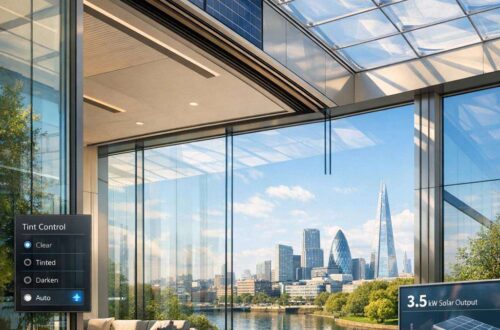
- Automated and smart glazing: Electrochromic or switchable glass that modulates light transmission in response to environmental conditions or user preferences, supporting comfort, energy efficiency, and dynamic façades.
- Finishes and framing systems: Colour-matched or anodised frames, as well as concealed or visible fixings, contribute to the overall aesthetic narrative.
The choice of architectural glazing products is shaped by objectives like daylight distribution, occupant comfort, energy targets, and the architectural language of the building. A skilled glazing company will present objective performance data, aesthetic simulations, and lifecycle cost analyses to guide decisions that align with project goals.
Elevating Aesthetics: Perception, Light, and Material Harmony
Architectural glazing plays a pivotal role in how a building is read by observers. The right combination of transparency, reflection, and material pairing can transform a structure from a static object into a vibrant, responsive presence. Glazing enhances the interplay of light and shadow, creates a sense of interior openness, and frames views that connect occupants with their surroundings.
Subtle choices—such as edge treatment, frame depth, and mullion spacing—affect the building’s scale and rhythm. A masterful glazing strategy considers how daylight shifts throughout the day and across seasons, guiding the relationship between interior spaces and exterior façades. The result is a building that feels human-made, refined, and thoughtfully considered.
In projects that blend historical context with contemporary design, an architectural glazing company can implement sympathetic detailing that respects heritage while delivering modern performance. This often involves custom profiles, discreet weatherseals, and high-quality finishes that endure in challenging climates.
Performance and Comfort: Beyond Aesthetics
While beauty captivates, performance protects and sustains. Architectural glazing contributes to:
- Thermal comfort: By minimising heat loss in winter and heat gain in summer, glazed envelopes help maintain stable indoor temperatures with reduced energy use.
- Acoustics: Glass assemblies can be tuned to dampen exterior noise, creating calm interior environments in busy urban streets or near transport corridors.
- Natural daylight: Strategic glazing reduces the need for artificial lighting, supporting well-being and energy efficiency.
- Weather resistance: Properly specified glazing systems resist wind-driven rain, hail, and temperature fluctuations, securing longevity.
- Fire safety and security: Fire-rated or laminated glass can help meet stringent regulatory requirements while preserving sightlines and aesthetics.
A competent architectural glazing company brings these considerations into a coherent package. Through BIM-enabled detailing, performance testing, and on-site quality control, glazing teams ensure that projects deliver on both style and substance.
Collaborative Innovation
The most successful glazing projects arise from collaboration. Architects, engineers, façade consultants, and glazing specialists must communicate openly about constraints and opportunities. Early modelling, rapid prototyping, and iterative testing enable teams to refine designs before fabrication begins. This collaborative approach helps to avoid costly mid-project changes and ensures the final product aligns with the intended experience.
In summary, architectural glazing is a discipline that fuses visual elegance with functional excellence. An architectural glazing company that champions thoughtful design, robust performance, and sustainable practice can elevate a building’s aesthetics and its day-to-day performance, creating spaces that people love to inhabit.