As artificial grass continues to grow in popularity among UK homeowners, understanding how to properly care for and maintain it is essential for ensuring its longevity and appearance. Investing in an artificial grass maintenance package can significantly enhance the experience of using this surface, but not every homeowner is familiar with the intricate aspects of caring for their synthetic lawn. This guide aims to break down the essentials of artificial grass care and maintenance, providing you with the knowledge needed to keep your lawn looking pristine year-round.
From understanding the basics of maintaining artificial grass to exploring various artificial grass maintenance services available in the UK, this guide will equip you with the tools and information you need to enjoy your synthetic lawn to its fullest. No matter your level of experience, learning the best practices for maintenance of artificial grass can help you avoid common pitfalls and achieve a vibrant outdoor space that enhances your home’s curb appeal.
Understanding Artificial Grass
Artificial grass, often made from polyethylene, polyamide, or polypropylene, mimics the look of real grass without needing rigorous upkeep. Unlike natural grass, which requires frequent mowing, watering, and fertilising, artificial grass offers a low-maintenance alternative. However, while it is designed to withstand various weather conditions and foot traffic, some care is still necessary to maintain its aesthetic and functional qualities.
Regular cleaning and care are vital for ensuring your fake grass remains free from debris, stains, and damage. Basic maintenance tasks can help you preserve not just the visual appeal but also the durability of your synthetic lawn, allowing you to enjoy a beautiful outdoor space for many years.
Basic Maintenance Practices
The foundational principles of artificial grass maintenance include regular cleaning, brushing, and ensuring correct drainage. By implementing these simple practices, you can significantly prolong the lifespan of your artificial lawn.
Regular Cleaning
Debris such as leaves, twigs, and dirt can accumulate on artificial grass, leading to discolouration and unpleasant odours if left unchecked. A good practice is to remove larger debris using a leaf blower or a stiff-bristled broom on a weekly basis, while smaller particles can be removed with a standard vacuum cleaner designed for outdoor use.
Brushing
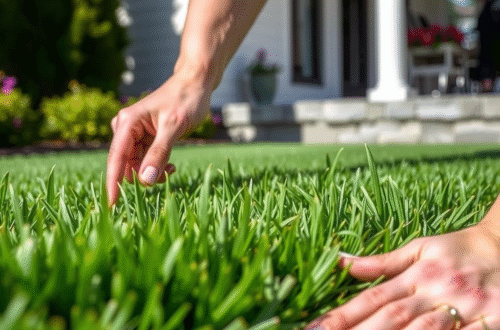
Brushing your artificial grass on a regular basis is crucial in keeping the blades upright and looking lively. This is particularly important for longer piles where the grass may flatten. Utilising a stiff-bristled broom or a specialised rake can help dislodge any debris trapped at the base of the grass fibres, allowing for a more thorough cleaning.
Checking Drainage
Proper drainage is an integral part of maintaining artificial grass, particularly in a climate like that of the UK, where rainfall can be frequent. Regularly checking for puddles or poor drainage can help prevent issues such as mould and odour. If you notice drainage issues, it may be beneficial to consult with a professional regarding your artificial grass maintenance service to assess and rectify the issue effectively.
Handling Stains and Spills
Accidental spills (like drinks or food) are a common occurrence on artificial grass. Proper treatment of stains is key for preventing long-term damage. For most stains, a simple solution of warm soapy water should suffice. A soft brush can be used to gently scrub the affected area, followed by rinsing with clean water. For more stubborn stains, specialised cleaning products designed for artificial grass may be recommended, and it is always best to conduct a patch test to ensure no damage will occur.
For pet owners, dealing with pet waste on synthetic grass can also be a concern. It is vital to remove solid waste promptly and rinse the area with water. In areas where your pets frequently relieve themselves, using a dedicated pet stain remover specifically formulated for artificial grass can help neutralise odours and maintain cleanliness.
For effective artificial grass maintenance in the UK, regular upkeep is essential to ensure longevity and appearance. Simple tasks like brushing, rinsing, and checking for debris go a long way. For professional guidance and services tailored to your needs, visit https://www.artificialgrassmaintenance.co.uk. Keep your synthetic lawn looking its best all year round!
Artificial grass maintenance in the UK is crucial for ensuring a long-lasting surface. Regular brushing, mowing, and cleaning help keep your lawn looking pristine. For expert tips and guidance on maintaining your artificial grass, check out this helpful resource: https://www.tenniskit24.com/guides/artificial-grass-court-maintenance/.
Professional Maintenance Services
While many maintenance tasks can be handled by homeowners, opting for a professional artificial grass maintenance service can provide a deeper clean and extensive care options. A professional service can include deep cleaning, compaction of infill material, and even repairs to damaged areas. In the UK, you’ll find a variety of artificial grass maintenance packages that cater to different needs and budgets.
Professional services can help streamline the maintenance process, especially for those with busy schedules. By including regular deep cleans and expert assessments in your artificial grass maintenance package, you can ensure your synthetic lawn is in its best possible condition throughout the year.
Artificial grass maintenance in the UK is essential for keeping your lawn looking pristine all year round. Regular cleaning, brushing, and inspections are vital to ensure its longevity. For pet owners, specific care techniques can make a difference. Discover expert tips for maintaining your turf by visiting https://dfwturf.com/how-to-care-for-your-artificial-turf-with-pets/ to keep your artificial grass in top condition.
Seasonal Considerations
The changing seasons in the UK can pose specific challenges for artificial grass maintenance. In the autumn, falling leaves can accumulate, so it’s essential to stay diligent about cleaning to prevent them from creating a slippery surface when wet. Winter may bring snow or frost, which can affect visibility on your lawn. Fortunately, unlike natural grass, artificial grass will drain properly, but it is important to clear away any snow to prevent ice from forming, ensuring a safe surface for play.
With spring on the horizon, it is imperative to perform a full inspection of your lawn. Check for any signs of wear, uplifted edges, or drainage issues that may have developed over the winter months. Spring is an excellent time to request a professional check-up as part of your artificial grass maintenance UK service, ensuring that your lawn is in prime condition for the long months of outdoor enjoyment.