Selecting the right plant equipment for your job site is a critical decision that can significantly impact the efficiency and overall success of your project. Whether you are managing a large construction site or a smaller project, the right machinery can enhance productivity, ensure safety, and reduce operational costs. With a plethora of options available, including new and second-hand plant machinery, understanding your specific needs is essential for making an informed choice.
In this post, we will explore key considerations for selecting the appropriate plant and equipment, ensuring that you are well-prepared to meet the demands of your project. From evaluating the specifications of the machinery to considering your budget, we will guide you through the decision-making process, ultimately helping you to find the best solutions, whether you are looking to buy or rent.
Assess Your Project Requirements
The first step in choosing the right plant equipment is to assess the specific requirements of your project. Consider the nature of the work, the size of the site, and the timeline for completion. Different jobs necessitate different types of machinery; for example, excavation projects will require diggers or excavators, while material handling tasks may call for forklifts or telehandlers.
Take the time to create a list of the tasks that need to be performed and match them with the appropriate plant machinery. For example:
- Excavation and Earthmoving: Excavators, mini diggers, and backhoes are suitable for digging, moving, and grading soil.
- Material Handling: Forklifts, telehandlers, and cranes are essential for lifting and transporting materials.
- Paving and Surfacing: Rollers and pavers are necessary for creating durable surfaces.
With a clear understanding of the job requirements, you’ll be better equipped to choose the right equipment.
Consider Machinery Specifications
Once you have identified the type of machinery you need, it’s time to delve into the specifics of the equipment. Different plant and equipment come with various specifications that can influence performance and suitability for your project. Key specifications to consider include:
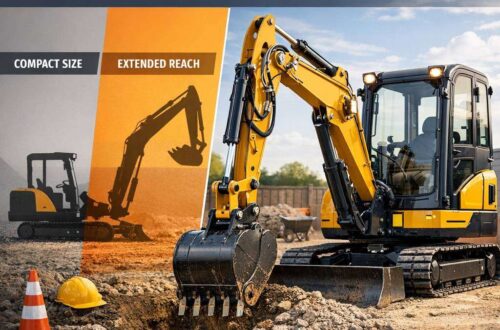
- Capacity and Reach: Ensure that the machinery can handle the volume and weight of materials you will be working with. For example, a telehandler with sufficient lifting capability is crucial for safely transporting heavy loads.
- Power Source: Different jobs may require different power sources. Diesel machinery tends to offer more power and is suited for heavy-duty projects, while electric machinery may be preferable for smaller, indoor tasks where noise and emissions are a concern.
- Operating Weight: The weight of the machinery can impact ground conditions and stability. Lighter machinery may be appropriate for softer or less stable ground, whereas heavier machinery is suited for more robust surfaces.
By evaluating these specifications, you can ensure that the chosen equipment is capable of efficiently completing the tasks at hand.
New vs Second Hand Plant Machinery
When deciding on plant machinery, one of the most significant considerations is whether to invest in brand new machinery or to opt for second-hand plant and machinery for sale. Each option comes with its advantages and disadvantages.
At SJ Hall Plant, we specialize in high-quality plant equipment that meets all your construction needs. Whether you’re looking to purchase or rent, we offer a diverse range of machinery designed for efficiency and reliability. Explore our offerings today at https://www.sjhallplant.com.
Advantages of New Machinery
- Latest Technology: New plant equipment often features the latest technology and improved efficiency.
- Warranty and Support: New machinery typically comes with a warranty and can provide peace of mind through manufacturer support for any potential issues.
- Lower Maintenance Needs: New machines generally require less maintenance initially, leading to lower operational costs during the early stages of ownership.
Advantages of Second Hand Plant Machinery
- Cost Efficiency: Second-hand plant machinery can substantially lower your capital expenditure, making it an excellent option for smaller businesses or short-term projects.
- Depreciation: The value of machinery depreciates quickly, and purchasing used plant machinery allows you to avoid the initial loss associated with new equipment.
- Availability: A wider selection of used plant machinery may be available and can often be sourced quickly.
Ultimately, the choice between new and used plant machinery will depend on your budget, project duration, and specific requirements.
Budgeting for Plant Equipment
Developing a comprehensive budget is critical for successfully selecting plant equipment for your job site. When setting your budget, consider all factors including purchase or rental costs, operation costs, maintenance, insurance, and fuel consumption.
Looking for high-quality plant equipment to boost your construction project? Our extensive range of reliable and well-maintained machinery ensures you have the right tools for any job. Whether you’re looking to buy or rent, we have the perfect solutions to meet your needs. Visit www.sjhallplant.com to explore our offerings today!
Purchasing vs Renting
Deciding whether to buy or rent plant equipment also plays a significant role in your budgeting process:
- Buying Plant Machinery for Sale: If you plan to use the equipment for multiple projects or an extended period, purchasing may be more cost-effective in the long term. Today’s market offers a variety of options, from new machines to second-hand equipment that can suit various financial scenarios.
- Renting Plant Equipment: For short-term projects, renting can be the most prudent choice. This option allows you to access the latest models without the higher upfront costs associated with purchase, as well as the flexibility to switch machinery as project needs change.
Researching the various financing options available for both purchasing and rental can also help in effectively managing your project’s budget.
Evaluating Vendors and Suppliers
A crucial aspect of the process is finding a reliable vendor or supplier for your plant and equipment. Research potential providers focus on their reputation, customer service, and after-sales support. Look for those who offer a comprehensive selection of plant machinery for sale in the UK, including second-hand options, ensuring that you can find the right equipment for your needs.
It may also be beneficial to read reviews and ask for testimonials from previous customers. Establishing a relationship with a trustworthy supplier can ensure ongoing support and maintenance throughout the equipment’s life cycle, further enhancing your project’s success.